 |
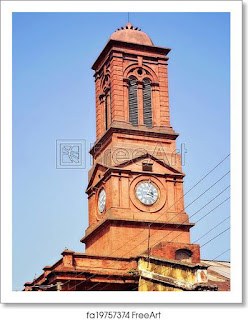
| Kapurthala, Punjab, India Clock Tower (1901) freeart.com/ |
 |
| Clock Tower, kapurthala India.indiaanditsamazingtours.blogspot.com |
The free standing clock towers or the ones on the important public buildings, railway station, church, post office, etc were once part of the urban space in the past. They were a common sight in many parts of the world associated with some iconic buildings. One example is the Elizabeth Tower in London (usually called "Big Ben", although strictly this name belongs only to the bell inside the tower). In the city of Chennai the clock on the tower of Central station (now called MGR central railway station and the one on the Ribbon building are quite famous. Th nice clock on the Christ church building on the ridge in Shimla, HM never gets the attention of the visitors.
In today's chaotic fast urban life the colonial clocks nver get the attention of the local denizens, only the visitors to the cities admire them for their for their aesthetics and ethos. No doubt, they were built in public place for an express purpose. Before the middle of the twentieth century, most people did not have watches, and prior to the late 18th century even home clocks were rare. The first clocks lacked on faces on sides, but most of them were solely striking clocks, which sounded bells to get the attention of the surrounding community toget ready to go to work or to say their prayer.
It was in the year 1901 the Ghanta Ghar, also known as the Clock Tower, was built in the kingdom of Kapurthala, Punjab, India . Close to the Panch Mandir area, this 119 year old part freestanding red stone clock tower on a building forms an important landmark in this small city and is being under the control of the ASI -
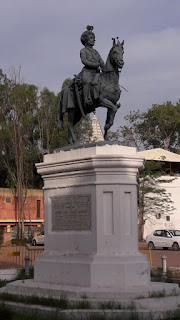 |
| Statue of maharajah Kapurthala, Punjab, India.localguidesconnect.com/ |
As for chiming and musical notes, in the recent past the ASI undertook the renovation work to restore this monument and had the clock fixed. Now, one could hear the the musical notes of the clock resonating all over again bringing back the past royal period of rule.
Tit-bits:
Do you know the tallest free standing clock tower in the world?
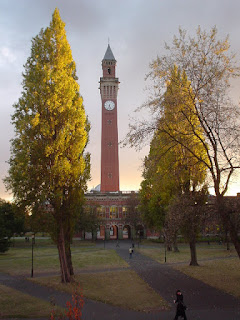 |
| Joseph Chamberlain Memorial Clock Tower, Univ. of Birmingham, UK.en.wikipedia.org |
It is recorded that this tower came up with a view to commemorating Joseph Chamberlain, the first Chancellor of the University (with the commemoration being carved into the stone at the tower's base), although one of the original suggested names for the clock tower was the "Poynting Tower", after one of the earliest professors at the University, Professor John Henry Poynting. Forming an important landmark in Birmingham, the grade II listed tower can be seen for miles around the campus, and has become synonymous with the University itself.......https://en.wikipedia.org/wiki/Joseph_Chamberlain_Memorial_Clock_Tower
https://www.nativeplanet.com/kapurthala/attractions/ghata-ghar/#overview